Small and Medium Enterprises (SMEs) are the backbone of global economies, contributing significantly to employment, innovation, and GDP. In times of rapid technological change and economic uncertainty, SMEs must evolve beyond traditional models to remain competitive. This research paper presents a comprehensive framework for job creation and economic prosperity through creative intelligence, integrated with websites, e-commerce platforms, Software-as-a-Service (SaaS), and Retrieval-Augmented Generation (RAG) Large Language Models (LLMs).
Drawing from foundational theories of intelligence, creativity, systems thinking, and digital transformation, this paper argues that SMEs can achieve scalable growth by combining human creativity with digital infrastructure and AI-driven systems. It proposes a multi-layered architecture for SME transformation and provides actionable strategies for entrepreneurs, policymakers, and technology providers.
Research White Paper- Creating Jobs and Prosperity through Creative Intelligence:
Websites, E-Commerce, SaaS, and RAG-LLM Applications for SME Growth in Times of Change**
Abstract
Small and Medium Enterprises (SMEs) are the backbone of global economies, contributing significantly to employment, innovation, and GDP. In times of rapid technological change and economic uncertainty, SMEs must evolve beyond traditional models to remain competitive. This research paper presents a comprehensive framework for job creation and economic prosperity through creative intelligence, integrated with websites, e-commerce platforms, Software-as-a-Service (SaaS), and Retrieval-Augmented Generation (RAG) Large Language Models (LLMs).
Drawing from foundational theories of intelligence, creativity, systems thinking, and digital transformation, this paper argues that SMEs can achieve scalable growth by combining human creativity with digital infrastructure and AI-driven systems. It proposes a multi-layered architecture for SME transformation and provides actionable strategies for entrepreneurs, policymakers, and technology providers.
1. Introduction
The global economy is shifting from industrial production to knowledge-driven and digitally enabled ecosystems. SMEs face increasing pressure from globalization, technological disruption, and changing consumer behavior. However, these challenges also create opportunities for innovation and growth.
Creative intelligence—the ability to generate, connect, and apply ideas effectively—has emerged as a critical factor in business success. When combined with digital platforms such as websites, e-commerce systems, SaaS tools, and AI technologies, it becomes a powerful engine for job creation and economic resilience.
This paper explores how SMEs can leverage this convergence to:
- Create employment
- Increase productivity
- Expand into global markets
- Build sustainable competitive advantage
2. Theoretical Foundations
2.1 Understanding Intelligence and Creativity
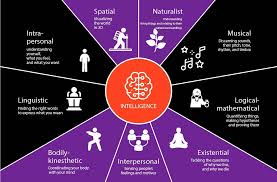
Modern research shows that intelligence is not a single measurable trait but a multi-dimensional construct involving cognition, behavior, and environment . This broader view enables a better understanding of how individuals and organizations innovate.
Key Principles:
- Intelligence is adaptive
- It is shaped by context
- It can be developed
2.2 Creative Intelligence
Creative intelligence refers to the ability to:
- Generate new ideas
- Connect disparate concepts
- Apply knowledge in novel ways
Human cognition functions as an association network, where creativity emerges from linking ideas across domains .
2.3 Sternberg’s Triarchic Theory
Sternberg’s framework identifies three key components:
- Analytical Intelligence – problem-solving
- Creative Intelligence – innovation
- Practical Intelligence – execution
Successful enterprises integrate all three, transforming ideas into actionable outcomes .
2.4 Creativity as a Social and Economic Force
Creativity is not isolated; it emerges from collaborative environments, networks, and systems. Innovation ecosystems enable individuals and organizations to co-create value and generate economic impact .
2.5 Systems Thinking
Systems engineering emphasizes that complex systems must be understood through relationships between components rather than isolated parts .
For SMEs, this means integrating:
- Technology
- Customers
- Operations
- Data
3. SMEs in Times of Change
3.1 Challenges
- Limited capital
- Market volatility
- Talent constraints
- Digital disruption
3.2 Opportunities
- Internet-enabled global reach
- Low-cost cloud infrastructure
- AI-driven automation
- Data analytics
4. Websites as Digital Foundations
4.1 Role of Websites
Websites function as:
- Digital storefronts
- Marketing platforms
- Customer engagement tools
- Data collection systems
4.2 Job Creation Impact
Websites create employment in:
- Web development
- Content creation
- SEO and digital marketing
- Customer service
4.3 Strategic Importance
A well-designed website enables SMEs to:
- Build brand identity
- Generate leads
- Increase sales conversion
5. E-Commerce as a Growth Engine
5.1 Market Expansion
E-commerce removes geographical barriers, allowing SMEs to reach global markets.
5.2 Economic Benefits
- Continuous revenue streams
- Reduced operational costs
- Scalable business models
5.3 Job Creation
E-commerce ecosystems generate jobs in:
- Logistics and fulfillment
- Payment processing
- Customer support
- Digital marketing
6. SaaS as a Scalable Innovation Platform
6.1 Definition
Software-as-a-Service (SaaS) provides cloud-based applications accessible via subscription.
6.2 SME Benefits
- Low upfront costs
- Rapid scalability
- Access to advanced tools
6.3 SaaS Categories
- CRM systems
- ERP platforms
- Marketing automation tools
- Analytics platforms
6.4 Job Creation
SaaS drives employment in:
- Software engineering
- Cloud infrastructure
- Customer success management
6.5 Role in Creative Intelligence
SaaS platforms enable:
- Rapid experimentation
- Collaboration
- Innovation acceleration
7. RAG-LLM Applications: The Intelligence Layer
7.1 Definition
RAG combines:
- Knowledge retrieval systems
- Generative AI models
7.2 Key Capabilities
- Context-aware responses
- Real-time knowledge integration
- Reduced AI hallucination
7.3 SME Applications
Customer Support
- AI chatbots
- 24/7 service
Sales and Marketing
- Personalized recommendations
- Automated content
Knowledge Management
- Internal knowledge systems
- Training assistants
E-Commerce
- Conversational shopping
- Product recommendations
7.4 Job Creation
RAG systems generate roles in:
- AI engineering
- Data science
- Prompt engineering
- AI operations
8. Integrated Digital Architecture for SMEs
8.1 Multi-Layer Framework
- Website Layer
- E-Commerce Layer
- SaaS Layer
- AI (RAG-LLM) Layer
- Data Infrastructure
8.2 Innovation Loop
- Data collection
- AI analysis
- Decision-making
- Implementation
- Feedback
9. Economic Impact
9.1 Direct Job Creation
- Developers
- AI engineers
- Digital marketers
9.2 Indirect Job Creation
- Logistics
- Customer service
- Content production
9.3 Productivity Gains
- Automation reduces manual work
- AI enhances decision-making
- Digital platforms increase efficiency
10. Use Cases
10.1 Retail SME
- E-commerce expansion
- Global sales
- Increased hiring
10.2 Knowledge SME
- Online courses
- SaaS platforms
- Digital content jobs
10.3 Manufacturing SME
- Digital supply chain
- B2B platforms
- Engineering roles
11. Role of KeenComputer.com and IAS-Research.com
KeenComputer.com
- Website and e-commerce solutions
- SaaS deployment
- Cloud infrastructure
IAS-Research.com
- AI and RAG-LLM systems
- Data analytics
- Innovation consulting
Combined Impact
- End-to-end digital transformation
- Scalable SME growth solutions
- Innovation-driven job creation
12. Policy Implications
Governments should:
- Promote digital literacy
- Provide SME funding
- Support AI adoption
- Build innovation ecosystems
13. Future Trends
- AI-native businesses
- Autonomous digital agents
- Hyper-personalized commerce
- Platform economies
14. Call to Action
For SMEs
- Invest in digital platforms
- Adopt SaaS and AI
- Build innovation culture
For Entrepreneurs
- Create niche SaaS products
- Develop AI-driven solutions
For Policymakers
- Enable digital ecosystems
- Support SME innovation
For Technology Providers
- Deliver affordable solutions
- Build scalable platforms
Conclusion
The convergence of creative intelligence, digital platforms, SaaS, and AI technologies represents a paradigm shift in how SMEs create value. By embracing these tools, SMEs can transform into engines of job creation and economic prosperity.
The future belongs to organizations that can think creatively, act digitally, and scale intelligently.
References
- Buzan, T. The Power of Creative Intelligence
- Nussbaum, B. Creative Intelligence
- Sternberg, R. J. What is Intelligence?
- Sternberg, R. J. Triarchic Theory of Intelligence
- Holt, J. Systems Engineering Demystified
- Porter, M. Competitive Strategy
- Kotler, P. Marketing Management
- OECD SME Reports
- World Bank Digital Economy Reports
- McKinsey Digital Transformation Studies