KeenComputer Research and Insight
NAS & SAN Storage
- Details
- By KEENCOMPUTER
- Category: NAS & SAN Storage
As organizations increasingly operate heterogeneous computing environments consisting of Windows desktops, Ubuntu workstations, cloud-hosted virtual machines, and containerized applications, the need for reliable and secure file sharing has become more important than ever. While cloud storage platforms provide collaboration capabilities, many businesses still require on-premise or private network file servers for reasons including security, compliance, performance, cost control, and integration with existing infrastructure.
Samba is the industry-standard open-source implementation of Microsoft's Server Message Block (SMB) protocol. Running on Ubuntu 24.04 LTS, Samba enables Linux systems to function as secure file and print servers that integrate seamlessly with Windows, Linux, and macOS clients. Organizations can build enterprise-grade file sharing solutions without purchasing proprietary Windows Server licenses while benefiting from Linux stability, flexibility, and security.
This tutorial provides a practical introduction to deploying Samba on Ubuntu 24.04 LTS. It explains networking fundamentals, installation procedures, Linux permissions, user authentication, and best practices for creating secure and scalable shared storage. Although intended for beginners, the tutorial also introduces concepts valuable to experienced Linux administrators and DevOps engineers.
- Details
- By KEENCOMPUTER
- Category: NAS & SAN Storage
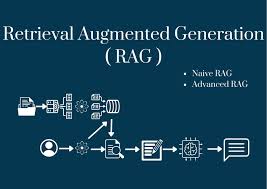
Retrieval-Augmented Generation (RAG) integrated with Large Language Models (LLMs) is transforming enterprise knowledge workflows by delivering accurate, context-aware insights from internal data. When combined with high-performance Network Attached Storage (NAS) systems such as QNAP and supported by expert implementation from KeenComputer.com and IAS-Research.com, enterprises can accelerate decision-making, reduce costs, and personalize services at scale.
- Details
- By KEENCOMPUTER
- Category: NAS & SAN Storage
Network Attached Storage (NAS) has traditionally been used for on-premises storage solutions. However, with the rise of cloud computing, NAS is increasingly being utilized as a cloud storage solution. This white paper explores the concept of NAS as cloud storage, its benefits, use cases, and considerations.
- Details
- By KEENCOMPUTER
- Category: NAS & SAN Storage
In today's digital age, businesses, regardless of size, grapple with ever-increasing data storage needs. From large files to critical documents, the demand for storage space is relentless. Network Attached Storage (NAS) offers an efficient and scalable solution to address these challenges. This white paper explores how businesses can leverage NAS to optimize storage, improve productivity, and ensure data security.
Selection Criteria for SSDs for RAID Applications in Enterprise Server and Data Center Environments.
- Details
- By KEENCOMPUTER
- Category: NAS & SAN Storage
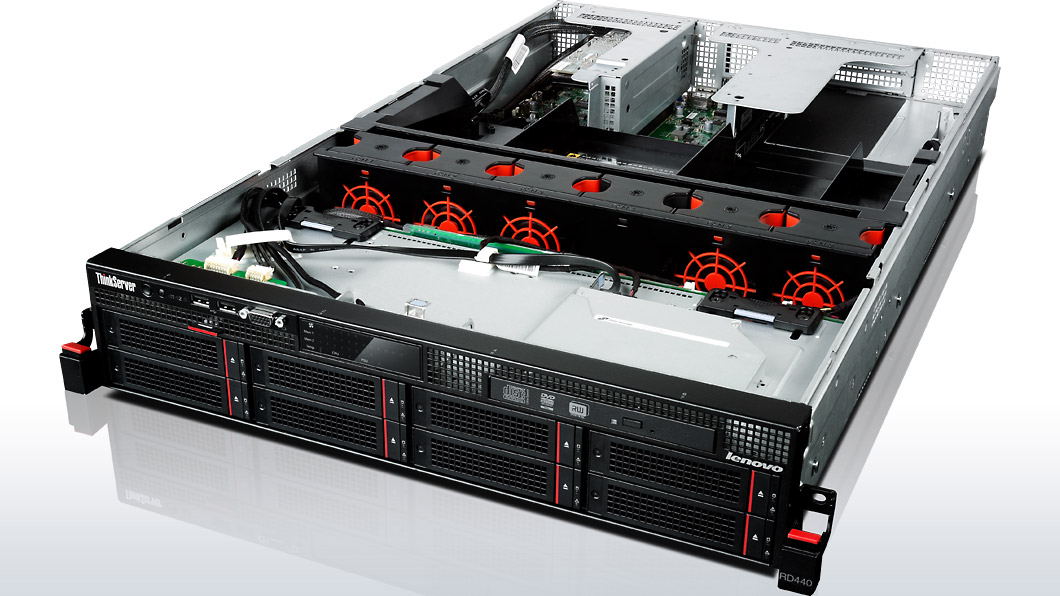
Enterprise storage has evolved significantly with the adoption of solid-state drives (SSDs) in server and data center environments. Unlike traditional hard disk drives (HDDs), SSDs deliver higher throughput, lower latency, reduced power consumption, and improved durability. Combined with Redundant Array of Independent/Inexpensive Disks (RAID), SSDs can provide both performance acceleration and data protection, making them critical for high-availability applications such as cloud computing, virtualization, analytics, and database workloads.
Page 1 of 2