Small and Medium Enterprises (SMEs) are the backbone of modern economies, contributing significantly to employment generation, innovation, exports, and regional economic development. However, SMEs face increasing challenges from globalization, digital disruption, rising operational costs, market uncertainty, cybersecurity risks, and rapid technological changes. To survive and thrive, SMEs must adopt strategic business development practices, digital transformation initiatives, critical thinking methodologies, and AI-driven operational models.
Research White Paper-SME Business Development and Growth Strategy
Integrating Critical Thinking, Digital Transformation, AI, and Strategic Innovation for Sustainable SME Success
Executive Summary
Small and Medium Enterprises (SMEs) are the backbone of modern economies, contributing significantly to employment generation, innovation, exports, and regional economic development. However, SMEs face increasing challenges from globalization, digital disruption, rising operational costs, market uncertainty, cybersecurity risks, and rapid technological changes. To survive and thrive, SMEs must adopt strategic business development practices, digital transformation initiatives, critical thinking methodologies, and AI-driven operational models.
This white paper presents a comprehensive framework for SME business development and growth by integrating:
- Critical thinking methodologies
- Strategic management
- Digital transformation
- Artificial Intelligence (AI)
- Retrieval-Augmented Generation (RAG-LLM)
- Cloud and open-source technologies
- eCommerce and digital marketing
- Data analytics and automation
- Innovation management
- Leadership and organizational learning
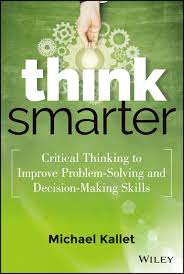
The paper incorporates concepts from the book Think Smarter by Michael Kallet, particularly the frameworks of clarity, conclusions, and decisions, which are highly applicable to SME growth strategies.
The paper also highlights how Keen Computer and IAS Research can help SMEs implement scalable digital transformation, AI integration, software engineering, cloud infrastructure, and advanced business development solutions.
1. Introduction
SMEs operate in an increasingly competitive and technologically driven environment. Traditional business models are rapidly becoming obsolete as digital-first organizations leverage automation, AI, analytics, and online ecosystems to gain competitive advantage.
Many SMEs struggle with:
- Limited budgets
- Lack of technical expertise
- Inefficient processes
- Poor strategic planning
- Weak digital presence
- Limited access to advanced analytics
- Ineffective marketing
- Cybersecurity vulnerabilities
- Inability to scale efficiently
Business development for SMEs is no longer limited to sales growth. It now includes:
- Digital transformation
- Customer experience optimization
- Innovation capability
- Data-driven decision making
- Process automation
- AI adoption
- Strategic partnerships
- Knowledge management
- Organizational agility
2. The Role of Critical Thinking in SME Growth
According to Think Smarter, critical thinking is:
“manual thinking rather than automatic thinking.”
Critical thinking improves:
- Problem solving
- Decision making
- Innovation
- Risk management
- Strategic planning
- Organizational learning
The book introduces a three-step framework:
- Clarity
- Conclusions
- Decisions
This framework is highly relevant to SMEs.
3. Applying the Critical Thinking Framework to SMEs
3.1 Clarity
SMEs often fail because they are unclear about:
- Market positioning
- Customer value proposition
- Operational priorities
- Business metrics
- Growth objectives
The clarity phase involves:
- Defining measurable objectives
- Understanding customer pain points
- Clarifying operational inefficiencies
- Identifying revenue bottlenecks
- Evaluating digital maturity
Example:
Instead of saying:
“We need better marketing.”
An SME should define:
- Increase organic traffic by 40%
- Reduce customer acquisition cost by 20%
- Improve conversion rate from 2% to 5%
This aligns with the inspection methodology described in Think Smarter.
3.2 Conclusions
After achieving clarity, SMEs develop actionable strategies.
Examples include:
- Implementing CRM systems
- Launching eCommerce platforms
- Deploying AI-powered chatbots
- Using predictive analytics
- Automating workflows
- Migrating infrastructure to cloud platforms
3.3 Decisions
The decision phase involves:
- Budget approval
- Vendor selection
- Technology adoption
- Risk evaluation
- Change management
SMEs that delay decision making often lose competitive advantage.
4. Strategic Business Development for SMEs
Strategic business development combines:
- Revenue generation
- Customer relationship management
- Technology adoption
- Market expansion
- Brand development
- Operational optimization
Core strategic pillars include:
|
Strategic Area |
SME Objective |
|---|---|
|
Digital Presence |
Online visibility and lead generation |
|
Automation |
Reduce operational cost |
|
Data Analytics |
Improve decisions |
|
AI Integration |
Enhance productivity |
|
Customer Experience |
Improve retention |
|
Cybersecurity |
Protect business assets |
|
Innovation |
Sustain competitiveness |
|
Cloud Infrastructure |
Enable scalability |
5. Digital Transformation for SMEs
Digital transformation is the integration of digital technologies into all business functions.
5.1 Key Technologies
Cloud Computing
Benefits include:
- Scalability
- Reduced capital expenditure
- Remote access
- Disaster recovery
- Business continuity
Platforms:
- AWS
- Azure
- Google Cloud
- Docker
- Kubernetes
5.2 Open Source Technologies
Open-source software reduces SME costs while enabling innovation.
Examples:
|
Technology |
Use Case |
|---|---|
|
Linux |
Server infrastructure |
|
Docker |
Containerization |
|
PostgreSQL |
Database |
|
WordPress |
CMS |
|
Joomla |
Web portals |
|
Magento |
eCommerce |
|
Node.js |
Backend applications |
|
Python |
AI and analytics |
|
Nagios |
Monitoring |
|
Mautic |
Marketing automation |
6. AI and SME Growth
Artificial Intelligence is transforming SME operations.
6.1 AI Applications
Customer Support
- AI chatbots
- Virtual assistants
- Sentiment analysis
Marketing
- Personalized campaigns
- Predictive targeting
- AI content generation
Operations
- Predictive maintenance
- Process optimization
- Workflow automation
Finance
- Fraud detection
- Forecasting
- Expense optimization
HR
- Resume screening
- Employee analytics
- Skill gap analysis
7. RAG-LLM Systems for SMEs
Retrieval-Augmented Generation (RAG) combines:
- Large Language Models
- Knowledge bases
- Vector databases
- Enterprise documentation
Applications include:
- Customer support
- Internal knowledge systems
- Technical documentation
- Sales enablement
- Research assistance
8. Digital Marketing Strategies for SMEs
Modern SMEs require integrated digital marketing strategies.
8.1 SEO
Search Engine Optimization improves visibility.
Components:
- Technical SEO
- Content SEO
- Local SEO
- Mobile optimization
- Structured metadata
8.2 Content Marketing
SMEs should create:
- White papers
- Blogs
- Tutorials
- Case studies
- Technical documentation
8.3 Email Marketing
Platforms:
- Brevo
- Mautic
- Mailchimp
Benefits:
- Lead nurturing
- Customer engagement
- Campaign automation
8.4 Social Media Marketing
Key platforms:
- YouTube
- X
9. eCommerce Opportunities for SMEs
SMEs can leverage:
- B2B eCommerce
- Subscription models
- SaaS platforms
- Marketplace integration
Platforms:
|
Platform |
Use Case |
|---|---|
|
Magento |
Enterprise eCommerce |
|
WooCommerce |
SME retail |
|
Shopify |
Hosted commerce |
|
Joomla |
Business portals |
10. Data Analytics and Business Intelligence
Data-driven SMEs outperform intuition-driven competitors.
10.1 Analytics Applications
- Sales forecasting
- Customer segmentation
- Churn prediction
- Financial analysis
- Inventory optimization
Tools:
- Power BI
- Grafana
- ELK Stack
- Python
- Scikit-learn
11. Cybersecurity for SMEs
Cybersecurity threats include:
- Ransomware
- Phishing
- Data breaches
- Insider threats
SME security strategy should include:
- Firewalls
- MFA
- Backups
- Endpoint protection
- Employee training
- SIEM systems
12. Innovation and Organizational Learning
Innovative SMEs encourage:
- Continuous learning
- Systems thinking
- Cross-functional collaboration
- Knowledge sharing
- Agile methodologies
Critical thinking enhances innovation by encouraging:
- Root-cause analysis
- Questioning assumptions
- Creative problem solving
13. Financial Growth Strategies
SMEs must focus on:
- Cash flow management
- Sustainable scaling
- Cost optimization
- Revenue diversification
Growth models include:
- SaaS subscriptions
- Managed services
- Digital products
- Consulting
- Platform ecosystems
14. Role of Leadership in SME Development
Effective SME leadership requires:
- Vision
- Adaptability
- Technical awareness
- Emotional intelligence
- Strategic thinking
Leaders must foster:
- Innovation culture
- Accountability
- Data-driven decisions
- Customer-centric operations
15. SME Growth Challenges
Common barriers include:
|
Challenge |
Impact |
|---|---|
|
Limited capital |
Slows expansion |
|
Skill shortages |
Reduces innovation |
|
Weak IT infrastructure |
Operational inefficiency |
|
Poor digital presence |
Reduced competitiveness |
|
Resistance to change |
Slower transformation |
|
Cybersecurity risks |
Financial and reputational damage |
16. How Keen Computer Can Help SMEs
Keen Computer can assist SMEs through:
- Website development
- eCommerce implementation
- Cloud migration
- Linux server administration
- AI integration
- Mobile application development
- SEO and digital marketing
- Managed IT services
- Open-source deployment
- DevOps automation
SME Use Cases
- Magento eCommerce deployment
- Dockerized web hosting
- AI-enabled customer support
- OBD-II mobile diagnostics
- IoT platform integration
17. How IAS Research Can Help SMEs
IAS Research supports:
- Engineering research
- AI and ML implementation
- RAG-LLM systems
- Technical documentation
- Research publication support
- Industrial analytics
- Embedded systems development
- IoT research
- HVDC and power systems research
- Innovation strategy
18. Case Study Examples
Case Study 1: SME eCommerce Transformation
A retail SME migrated from manual operations to:
- Magento eCommerce
- AI recommendation systems
- SEO optimization
- Cloud infrastructure
Results:
- 300% online revenue growth
- Reduced operational overhead
- Improved customer retention
Case Study 2: Manufacturing SME
Implemented:
- IoT sensors
- Predictive maintenance
- AI analytics
- ERP integration
Benefits:
- Reduced downtime
- Improved productivity
- Better quality control
19. Future Trends for SMEs
Future SME growth will depend on:
- AI democratization
- Autonomous agents
- Low-code/no-code platforms
- Edge computing
- IoT ecosystems
- Green technologies
- Hyperautomation
20. Recommendations
SMEs should:
- Invest in digital transformation
- Adopt AI incrementally
- Focus on customer-centric innovation
- Implement analytics-driven decision making
- Develop cybersecurity frameworks
- Encourage continuous learning
- Build scalable infrastructure
- Leverage open-source technologies
- Use critical thinking frameworks
- Establish strategic technology partnerships
Conclusion
SMEs face unprecedented opportunities and challenges in the digital economy. Sustainable growth requires a combination of:
- Strategic thinking
- Critical analysis
- Innovation
- AI adoption
- Cloud infrastructure
- Data analytics
- Digital marketing
- Organizational agility
The critical thinking framework from Think Smarter provides SMEs with a practical methodology for improving clarity, developing better conclusions, and making effective business decisions.
Organizations such as Keen Computer and IAS Research can help SMEs accelerate digital transformation, implement AI solutions, and create scalable business development strategies that improve competitiveness and long-term sustainability.
References
- Think Smarter
- Keen Computer
- IAS Research
- Porter, M. Competitive Strategy
- Kotler, P. Marketing Management
- Drucker, P. Innovation and Entrepreneurship
- Hamel, G. Leading the Revolution
- Prahalad, C.K. Competing for the Future
- Brynjolfsson, E. The Second Machine Age
- Christensen, C. The Innovator’s Dilemma