Small and medium enterprises (SMEs) often struggle to integrate business strategy, marketing, and digital infrastructure into a coherent operational framework. Many SMEs build websites without aligning them with their business models, resulting in poor lead generation and limited strategic impact.
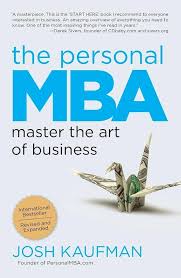
This research paper proposes an integrated framework combining the five-part business model described in The Personal MBA with a structured SME business plan, digital marketing strategy, and WordPress-based information architecture.
The resulting framework provides a repeatable method that SMEs can use to design scalable service businesses and implement them through digital platforms. The research demonstrates how aligning business planning, marketing systems, and website architecture creates a powerful growth engine for SMEs.
Research White Paper
A Practical SME Business Development Framework
Integrating the Personal MBA Model with WordPress-Based Digital Infrastructure
Abstract
Small and medium enterprises (SMEs) often struggle to integrate business strategy, marketing, and digital infrastructure into a coherent operational framework. Many SMEs build websites without aligning them with their business models, resulting in poor lead generation and limited strategic impact.
This research paper proposes an integrated framework combining the five-part business model described in The Personal MBA with a structured SME business plan, digital marketing strategy, and WordPress-based information architecture.
The resulting framework provides a repeatable method that SMEs can use to design scalable service businesses and implement them through digital platforms. The research demonstrates how aligning business planning, marketing systems, and website architecture creates a powerful growth engine for SMEs.
1. Introduction
SMEs represent the backbone of most modern economies. However, many small businesses fail to scale because they lack structured business models and integrated digital strategies.
Traditional MBA programs emphasize theoretical business models, but the book The Personal MBA argues that successful businesses can be understood through a small set of fundamental operational principles.
These principles define five universal business processes:
- Value Creation
- Marketing
- Sales
- Value Delivery
- Finance
When SMEs align their business plans, marketing strategies, and digital infrastructure with these processes, they can operate more efficiently and achieve sustainable growth.
This paper expands the model by integrating:
- SME business planning frameworks
- digital marketing strategies
- WordPress-based digital platforms
2. The Personal MBA Business System
According to The Personal MBA, every business can be understood as a system that creates, communicates, and delivers value.
The Five Parts of Every Business
|
Business System |
Function |
|---|---|
|
Value Creation |
Develop products or services that solve problems |
|
Marketing |
Attract potential customers |
|
Sales |
Convert prospects into paying clients |
|
Value Delivery |
Deliver the promised value |
|
Finance |
Ensure economic sustainability |
Failure in any component can undermine the entire enterprise.
For SMEs, this model provides a simple operational blueprint.
3. SME Business Planning Framework
A structured business plan translates the conceptual business model into practical strategy.
3.1 Executive Summary
The executive summary defines the core purpose of the enterprise.
Key components include:
- the problem the business solves
- the ideal customer profile
- the primary service offering
- measurable goals such as revenue targets and timelines
Example:
A digital consulting firm may aim to help SMEs modernize their websites and marketing systems.
3.2 Services and Value Proposition
SMEs should clearly define three to seven core services.
Each service description should include:
- target customer
- key pain points
- desired outcomes
- pricing structure
- proof of expertise
Example service categories:
|
Service |
Outcome |
|---|---|
|
Website development |
Professional digital presence |
|
ecommerce development |
Online sales capability |
|
SEO optimization |
Increased search visibility |
|
digital consulting |
technology strategy |
Clear service definitions simplify both marketing and operations.
3.3 Market Positioning
Effective positioning requires identifying:
- target industries
- customer segments
- geographic markets
- competing solutions
A positioning statement may follow the format:
For [target customers] who need [desired outcome], our company provides [service] unlike [alternative solutions].
This clarity improves marketing messaging and brand differentiation.
3.4 Go-To-Market Strategy
A go-to-market strategy defines how the business acquires customers.
Typical lead sources include:
- organic search
- referrals
- online advertising
- strategic partnerships
The sales process typically includes:
- lead qualification
- discovery call
- proposal creation
- project agreement
- onboarding
Standardizing this process improves conversion rates.
3.5 Operational Framework
Operational processes ensure consistent delivery.
Example service workflow:
- client intake
- project planning
- implementation
- review and testing
- client approval
- ongoing support
Technology stacks often include:
|
Function |
Tool |
|---|---|
|
website platform |
WordPress |
|
CRM |
HubSpot or Zoho |
|
project management |
Trello or Asana |
|
communication |
Slack or email |
Operational systems directly influence scalability.
3.6 Financial Planning
Financial sustainability requires careful planning.
Key components include:
- pricing models
- cost structure
- break-even analysis
- revenue forecasts
For example:
Monthly expenses: $12,000
Average project revenue: $3,000
Break-even point:
4 projects per month.
4. Digital Marketing Strategy for SMEs
Marketing is responsible for generating consistent demand.
A digital-first marketing strategy typically includes the following components.
4.1 Goals and KPIs
Marketing goals should align with revenue objectives.
Example:
Acquire 10 new clients per year.
Key metrics include:
- website traffic
- qualified leads
- consultation bookings
- conversion rates
- revenue per client
4.2 Customer Personas
Personas help define messaging and content strategy.
Example persona:
Small Business Owner
Challenges:
- outdated website
- low search visibility
- limited online sales
Desired outcomes:
- more customers
- better digital presence
4.3 Marketing Channels
Common channels include:
Search Engine Optimization (SEO)
SEO enables SMEs to capture high-intent search traffic.
Example search terms:
- web development services
- WordPress developer
- ecommerce consulting
Content Marketing
Educational content builds authority.
Examples:
- blog articles
- case studies
- tutorials
- industry insights
Publishing 2–4 blog posts per month can significantly improve search visibility.
Email Marketing
Email sequences nurture leads over time.
Example sequence:
- welcome email
- educational content
- case study
- consultation offer
Social Media
SMEs should focus on one or two key platforms rather than spreading resources too widely.
Examples:
- LinkedIn for B2B services
- YouTube for tutorials
5. WordPress Information Architecture
A company’s website should reflect its business strategy.
A standard SME website structure includes the following components.
Core Pages
|
Page |
Purpose |
|---|---|
|
Home |
Present core value proposition |
|
Services |
Overview of services |
|
Individual service pages |
Detailed descriptions |
|
About |
credibility and story |
|
Case studies |
demonstrate results |
|
Blog |
educational content |
|
Resources |
downloadable guides |
|
Contact |
lead conversion |
Additional supporting pages may include:
- testimonials
- FAQ
- privacy policy
Navigation Principles
Effective websites follow key usability principles:
- simple navigation
- clear call-to-action
- minimal click depth
- logical page hierarchy
These principles improve user experience and conversion rates.
6. WordPress Implementation Framework
The technical implementation typically follows these steps.
Content Structure
Use standard WordPress features:
Pages:
- home
- services
- about
- contact
Posts:
- blog articles
Custom post types:
- case studies
- portfolio projects
Menu Structure
Primary navigation:
Home
Services
Case Studies
Blog
About
Contact
Footer navigation:
Privacy
Terms
Resources
Page Templates
Home Page
Includes:
- headline value proposition
- services overview
- testimonials
- call-to-action
Service Page
Structure:
- introduction
- problem definition
- service process
- pricing options
- testimonials
- CTA
Case Study Page
Sections include:
- client background
- problem
- solution
- measurable results
- testimonial
7. Conversion Optimization
Conversion design is essential for SME websites.
Common techniques include:
- global call-to-action buttons
- consultation booking forms
- downloadable guides
- contact forms
Every page should guide the visitor toward a clear next step.
8. Continuous Improvement Cycle
Successful SMEs treat their websites as evolving systems.
Recommended review cycle:
Monthly
Analyze:
- website traffic
- leads generated
- page performance
Quarterly
Update:
- services
- pricing
- marketing strategy
Continuous optimization ensures long-term growth.
9. Strategic Implications for SMEs
Integrating business planning with digital infrastructure offers several advantages:
- stronger strategic alignment
- improved marketing effectiveness
- better customer acquisition
- scalable operations
The combination of business models and digital platforms creates a powerful growth engine for modern SMEs.
10. Conclusion
This research paper demonstrates how the fundamental business principles described in The Personal MBA can be integrated with modern digital marketing and WordPress infrastructure to create a practical SME growth framework.
By aligning:
- business planning
- marketing strategy
- website architecture
- operational processes
SMEs can create repeatable systems for customer acquisition and value delivery.
This integrated approach helps entrepreneurs transform simple service businesses into scalable digital enterprises.
References
Kaufman, J. (2020). The Personal MBA: Master the Art of Business.
Futurpreneur Canada. Business Plan Resources.
LivePlan. Service Business Planning Guides.
BDC Canada. Business Plan Template.
Harvard Business School Online. Digital Marketing Strategy.
Pressable. WordPress Information Architecture.