The global business environment is undergoing profound transformation driven by digitalization, artificial intelligence, globalization, industrial automation, and changing buyer behavior. Traditional transactional sales methodologies are increasingly ineffective in environments characterized by multiple stakeholders, long sales cycles, technical complexity, and high levels of organizational uncertainty.
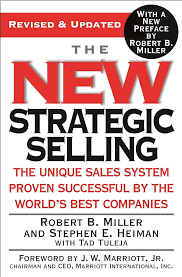
This research paper explores modern strategic selling methodologies inspired by the principles of complex sales frameworks. The paper expands these methodologies into modern IT services companies, engineering consulting firms, industrial solution providers, ecommerce businesses, and international trade enterprises. Particular attention is given to the role of artificial intelligence, Retrieval-Augmented Generation (RAG-LLM), customer relationship management (CRM), digital transformation, and AI-driven sales analytics.
The paper also examines how organizations such as Keen Computer and IAS Research can help SMEs and enterprises improve strategic positioning, digital capabilities, customer engagement, and operational efficiency.
Strategic Selling, Digital Transformation, Artificial Intelligence, and Ecommerce
A Comprehensive Business Growth Framework for SMEs During Economic Slowdowns
Leveraging Strategic Selling, Websites, Ecommerce, AI, Engineering Innovation, and Research to Build Resilient and Competitive Businesses
Meta Description
Comprehensive research white paper explaining how SMEs can leverage strategic selling, websites, ecommerce, artificial intelligence, digital transformation, CRM systems, engineering innovation, and RAG-LLM technologies to achieve sustainable growth during economic uncertainty. Includes practical implementation frameworks and industry-specific use cases.
Target Keywords
Strategic Selling, SME Growth Strategy, Economic Slowdown Business Strategy, AI for SMEs, Ecommerce Development, Business Development Strategy, CRM Systems, Managed IT Services, Engineering Consulting, Digital Transformation, Artificial Intelligence, RAG LLM Applications, Industrial Automation, Renewable Energy Consulting, SEO Strategy, B2B Sales Strategy, Digital Marketing, Small Business Growth, Business Innovation, Competitive Strategy
Executive Summary
The global economy is experiencing significant structural changes driven by digital transformation, artificial intelligence, globalization, supply-chain disruption, and changing customer expectations.
Small and medium-sized enterprises (SMEs) face increasing pressure from:
- Inflation
- Interest-rate uncertainty
- Global competition
- Labor shortages
- Technology disruption
- Rapidly changing customer behavior
While economic slowdowns create challenges, they also create opportunities for organizations willing to invest strategically.
Businesses that combine:
- Strategic Selling
- Digital Transformation
- Ecommerce
- Artificial Intelligence
- Engineering Innovation
- Research and Development
often emerge stronger than competitors that focus solely on cost-cutting measures.
This white paper presents a comprehensive framework for helping SMEs survive, adapt, and grow during economic uncertainty.
1. Positioning This Paper as a Professional Research White Paper
Intended Audience
This report is designed for:
Business Leaders
- SME Owners
- Entrepreneurs
- Corporate Executives
- Sales Directors
- Operations Managers
Investors
- Angel Investors
- Venture Capital Firms
- Private Equity Groups
- Family Offices
Consultants
- Management Consultants
- Engineering Consultants
- Technology Advisors
- Digital Transformation Specialists
Policy Makers
- Economic Development Agencies
- Chambers of Commerce
- Innovation Centers
- Government Departments
2. Research Objectives
The primary objectives are:
- Understand how SMEs can grow during economic slowdowns.
- Evaluate the role of websites and ecommerce.
- Analyze strategic selling methodologies.
- Assess AI adoption opportunities.
- Develop digital transformation frameworks.
- Examine engineering innovation strategies.
- Create practical implementation roadmaps.
- Identify sustainable competitive advantages.
3. Research Methodology
This paper integrates concepts from:
Strategic Management
- Competitive Strategy
- Blue Ocean Strategy
- Resource-Based Theory
- Systems Thinking
Marketing and Sales
- Strategic Selling
- Consultative Selling
- Customer Relationship Management
- Digital Marketing
Technology Management
- Artificial Intelligence
- Cloud Computing
- Ecommerce Systems
- Business Analytics
Engineering Innovation
- Industrial Automation
- Renewable Energy
- Industrial IoT
- Product Development
4. Global Economic Environment
Current Economic Challenges
Organizations face:
- Inflationary pressures
- Rising operating costs
- Reduced discretionary spending
- Increased competition
- Market uncertainty
Strategic Implications
Businesses must:
- Increase productivity
- Improve efficiency
- Build recurring revenue
- Improve customer retention
- Expand digital capabilities
5. Strategic Selling Framework
Strategic Selling differs from transactional selling.
Traditional sales focus on:
- Features
- Price
- Promotions
Strategic Selling focuses on:
- Customer outcomes
- Stakeholder management
- Business value
- Long-term relationships
- Competitive differentiation
6. Understanding Complex Sales
Most modern B2B transactions involve multiple stakeholders.
Examples include:
IT Projects
- Cloud migration
- Cybersecurity
- ERP implementation
Engineering Projects
- HVDC systems
- Renewable energy
- Industrial automation
Industrial Procurement
- Manufacturing equipment
- Control systems
- Telecommunications infrastructure
Strategic Selling helps organizations navigate these complex buying environments.
7. Digital Transformation Maturity Model
Level 1 – Traditional Business
Characteristics:
- Manual operations
- Minimal online presence
Level 2 – Digital Presence
Characteristics:
- Professional website
- Basic digital marketing
Level 3 – Integrated Business
Characteristics:
- CRM systems
- Ecommerce
- Marketing automation
Level 4 – Intelligent Business
Characteristics:
- AI-enabled workflows
- Predictive analytics
Level 5 – Innovation Leader
Characteristics:
- RAG-LLM systems
- Autonomous AI agents
- Advanced automation
8. Why Professional Websites Matter
A website functions as:
- Digital salesperson
- Marketing platform
- Lead generation engine
- Customer service portal
- Knowledge center
Benefits include:
- Credibility
- Visibility
- Lead generation
- Customer engagement
9. Ecommerce as a Strategic Growth Engine
Modern ecommerce enables:
- National expansion
- International expansion
- Revenue diversification
- Sales automation
Platforms include:
- Magento
- WooCommerce
- Shopify
- Custom B2B portals
10. AI Adoption Roadmap for SMEs
Phase 1
Digital Foundation
- Website
- CRM
- Analytics
Phase 2
Automation
- Marketing automation
- Chatbots
- Lead scoring
Phase 3
Intelligence
- Predictive analytics
- Forecasting
Phase 4
Enterprise AI
- RAG-LLM
- Knowledge systems
- Decision support
11. RAG-LLM Systems for Business Growth
RAG combines:
- Internal knowledge
- AI reasoning
- Enterprise search
Applications include:
IT Services
- Technical support
- Knowledge management
Engineering
- Standards retrieval
- Proposal generation
Trade Companies
- Product intelligence
- Vendor management
Ecommerce
- AI customer service
- Intelligent recommendations
12. SME IT Services Case Study
Business Challenge
Declining project demand during economic slowdown.
Strategic Response
- Website modernization
- SEO strategy
- Managed services
- AI-enhanced support
Results
- Recurring revenue
- Higher retention
- Improved profitability
13. Engineering Consulting Case Study
Services
- Power systems
- Renewable energy
- Industrial automation
Strategic Selling Approach
Focus on:
- Risk reduction
- Energy savings
- Compliance
Results
- Long-term contracts
- Increased referrals
- Improved profitability
14. Manufacturing and Industrial Automation Use Case
Strategic initiatives:
- Smart manufacturing
- Predictive maintenance
- Digital twins
- Industrial IoT
Benefits:
- Reduced downtime
- Higher productivity
- Better quality
15. International Trade and Distribution Use Case
Strategic initiatives:
- B2B ecommerce
- Customer portals
- Product knowledge systems
Benefits:
- Expanded markets
- Improved customer service
- Stronger supplier relationships
16. Renewable Energy Business Use Case
Applications include:
- Solar systems
- Battery storage
- EV charging
- Smart grids
Strategic Selling focuses on:
- ROI
- Sustainability
- Regulatory compliance
17. Digital Marketing Framework
Search Engine Optimization
- Technical SEO
- Content marketing
- Authority building
Content Marketing
- White papers
- Case studies
- Blogs
- Industry reports
Marketing Automation
- Lead nurturing
- Email campaigns
- Customer segmentation
18. SWOT Analysis
Strengths
- Agility
- Customer relationships
- Specialized expertise
Weaknesses
- Limited resources
- Budget constraints
Opportunities
- AI adoption
- Ecommerce growth
- Digital transformation
Threats
- Global competition
- Cybersecurity risks
- Economic volatility
19. Porter's Five Forces Analysis
Competitive Rivalry
Increasing global competition.
Supplier Power
Supply chain volatility.
Buyer Power
Greater access to information.
New Entrants
Lower digital barriers.
Substitutes
AI-enabled alternatives.
20. Strategic Role of Keen Computer
Keen Computer can help through:
- Website development
- Ecommerce solutions
- Managed IT services
- Cloud infrastructure
- AI integration
- CRM implementation
- SEO and digital marketing
- RAG-LLM deployment
21. Strategic Role of IAS Research
IAS Research can help through:
- Engineering consulting
- Electrical engineering
- Renewable energy studies
- Industrial automation
- Machine learning solutions
- Research and development
- Industrial IoT
- Technical feasibility studies
22. Implementation Methodology
Phase 1 – Assessment
Evaluate:
- Current business model
- Market position
- Digital maturity
Phase 2 – Strategy
Develop:
- Growth plan
- Sales strategy
- Technology roadmap
Phase 3 – Deployment
Implement:
- Website
- CRM
- Ecommerce
- AI systems
Phase 4 – Optimization
Measure:
- Revenue growth
- Customer acquisition cost
- Customer lifetime value
Phase 5 – Innovation
Develop:
- AI capabilities
- Research initiatives
- New services
23. Five-Year SME Digital Transformation Roadmap
Year 1:
- Website modernization
- CRM implementation
Year 2:
- Ecommerce deployment
- Marketing automation
Year 3:
- AI assistants
- Predictive analytics
Year 4:
- RAG-LLM implementation
- Knowledge management
Year 5:
- Intelligent enterprise transformation
24. Strategic Recommendations
Business leaders should:
- Invest in digital infrastructure.
- Implement Strategic Selling methodologies.
- Build recurring revenue streams.
- Adopt AI incrementally.
- Focus on customer retention.
- Develop thought leadership.
- Expand ecommerce capabilities.
- Strengthen engineering expertise.
- Use analytics for decision making.
- Continuously innovate.
25. Conclusion
Economic slowdowns should be viewed not merely as challenges but as opportunities for strategic transformation.
Organizations that successfully combine:
- Strategic Selling
- Digital Transformation
- Ecommerce
- Artificial Intelligence
- Engineering Innovation
- Research and Development
will be positioned to outperform competitors and create sustainable long-term growth.
For SMEs seeking to modernize operations and improve competitiveness, the combination of strategic expertise, technology adoption, engineering innovation, and customer-centric business development offers a powerful pathway toward resilience and success.
References
- Strategic Selling – Miller & Heiman
- Competitive Strategy – Michael Porter
- Blue Ocean Strategy – Kim & Mauborgne
- Innovation and Entrepreneurship – Peter Drucker
- Marketing Management – Philip Kotler
- Crossing the Chasm – Geoffrey Moore
- The Lean Startup – Eric Ries
- AI Agent Engineering Literature
- IEEE Engineering Management Publications
- Industrial IoT and Smart Manufacturing Research
- Digital Transformation Research Reports
- SME Growth and Economic Development Literature
This integrated version now combines strategic selling, economic analysis, digital transformation models, AI adoption roadmaps, industry-specific use cases, SWOT analysis, implementation methodology, Porter's Five Forces, SME growth strategy, and the roles of Keen Computer and IAS Research into a single professional research white paper framework.