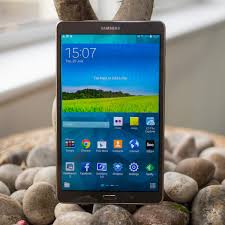
The widespread adoption of mobile computing devices has transformed how individuals and organizations approach navigation and mobility. While smartphones dominate consumer navigation, tablets—particularly Samsung Galaxy tablets—offer larger displays, better multitasking capabilities, and increasing relevance for in‑vehicle use. This research paper examines how Samsung tablets can be used effectively for car navigation without Wi‑Fi access. It explores the technical foundations of GPS, offline navigation software, preparation strategies, limitations, and best practices. The paper further extends the discussion into mobile Wi‑Fi hotspots, Internet of Things (IoT), and digital transformation, highlighting how KeenComputer.com can help individuals, small businesses, and fleet operators build resilient, future‑ready navigation and mobility systems. This can save youtr life in blizzard conditions and bitter cold in Canada.
Using Samsung Tablets Without Wi‑Fi for Vehicle Navigation: A Research Paper
Abstract
The widespread adoption of mobile computing devices has transformed how individuals and organizations approach navigation and mobility. While smartphones dominate consumer navigation, tablets—particularly Samsung Galaxy tablets—offer larger displays, better multitasking capabilities, and increasing relevance for in‑vehicle use. This research paper examines how Samsung tablets can be used effectively for car navigation without Wi‑Fi access. It explores the technical foundations of GPS, offline navigation software, preparation strategies, limitations, and best practices. The paper further extends the discussion into mobile Wi‑Fi hotspots, Internet of Things (IoT), and digital transformation, highlighting how KeenComputer.com can help individuals, small businesses, and fleet operators build resilient, future‑ready navigation and mobility systems. Keep the device near glass windowss for staelight communication.
1. Introduction
Navigation is a critical component of modern transportation, affecting personal travel, logistics, field services, and emergency response. Traditionally, drivers relied on dedicated GPS units, but these devices have largely been replaced by smartphones and tablets. However, many navigation solutions depend heavily on continuous internet connectivity, which can be unreliable, expensive, or unavailable in rural, remote, or international travel scenarios.
Samsung tablets present a compelling alternative due to their large screens, flexible Android ecosystem, and integrated GPS hardware in many models. When combined with offline maps and proper configuration, these devices can function as reliable navigation tools without Wi‑Fi or mobile data. This paper investigates the feasibility, performance, and strategic value of using Samsung tablets for offline vehicle navigation and situates this capability within a broader digital transformation context.
2. GPS Technology and Offline Navigation Fundamentals
2.1 How GPS Works Without Internet
The Global Positioning System (GPS) is a satellite‑based navigation system that provides location and time information anywhere on Earth. GPS does not require internet connectivity. A device with a GPS receiver can determine its position by communicating directly with satellites. Internet connectivity is often used only to speed up location fixes (Assisted GPS) or to download maps and traffic data.
2.2 Samsung Tablet Hardware Considerations
Not all Samsung tablets are equal for offline navigation. Models with cellular capability (LTE/5G) typically include true GPS hardware. Wi‑Fi‑only models may rely on Wi‑Fi positioning and therefore perform poorly without connectivity. Selecting the correct tablet model is a foundational requirement for reliable offline navigation.
3. Offline Navigation Software Ecosystem
Offline navigation depends on applications that allow maps and routing data to be stored locally on the device.
3.1 Google Maps (Offline Mode)
Google Maps allows users to download specific regions for offline use. While turn‑by‑turn navigation works offline, features such as live traffic, lane guidance updates, and dynamic rerouting are limited.
3.2 HERE WeGo
HERE WeGo provides robust offline navigation with downloadable country‑level maps. It supports voice‑guided turn‑by‑turn navigation and is well suited for international travel.
3.3 OsmAnd
OsmAnd is an open‑source navigation application based on OpenStreetMap data. It offers advanced offline capabilities, including detailed routing, custom map layers, speed warnings, and terrain visualization.
3.4 Maps.me
Maps.me is a lightweight offline navigation app suitable for basic vehicle navigation and point‑of‑interest discovery.
4. Preparing a Samsung Tablet for Offline Navigation
4.1 Verifying GPS Capability
Users should confirm that their Samsung tablet can detect GPS satellites using diagnostic tools before relying on it for navigation.
4.2 Downloading Offline Maps
Maps should be downloaded over reliable Wi‑Fi prior to travel. Adequate storage must be ensured, as offline maps can require several gigabytes of space.
4.3 Power and Thermal Management
Extended navigation sessions require continuous charging via vehicle power adapters. Proper mounting and ventilation help manage device heat.
5. Practical Usage Scenarios
5.1 Urban Navigation
Offline navigation ensures continuity in underground parking structures and areas with intermittent connectivity.
5.2 Rural and Remote Travel
In regions with limited mobile coverage, offline maps combined with GPS provide essential reliability.
5.3 International Travel
Offline navigation eliminates roaming costs and ensures uninterrupted access to directions.
6. Accuracy, Performance, and Limitations
Offline GPS accuracy typically ranges between 5–10 meters in open environments. Initial satellite acquisition may be slower without recent internet access. Offline navigation lacks real‑time traffic data, accident alerts, and dynamic route optimization.
7. Vehicle Integration and Safety
Secure mounting solutions and compliance with local regulations are essential. Tablets should be positioned to avoid obstructing the driver’s view while maintaining visibility.
8. Comparison with Dedicated GPS Devices
Samsung tablets offer superior display size, flexibility, and multi‑purpose use compared to dedicated GPS units. However, dedicated devices may offer longer battery life and simpler interfaces.
9. Role of KeenComputer.com in Mobile Wi‑Fi, IoT, and Digital Transformation
9.1 Mobile Wi‑Fi Hotspot Enablement
KeenComputer.com helps users design and configure mobile Wi‑Fi hotspot solutions using smartphones, LTE/5G routers, or vehicle‑mounted systems. This enables Samsung tablets to dynamically switch between offline navigation and online services such as traffic updates, weather data, and map synchronization.
9.2 IoT Integration for Smart Vehicles
KeenComputer.com supports integration between Samsung tablets and IoT devices such as OBD‑II vehicle sensors, GPS trackers, fuel monitors, and environmental sensors. This creates a unified in‑vehicle dashboard combining offline navigation with real‑time vehicle intelligence.
9.3 Digital Transformation of Mobility Systems
Offline navigation represents an edge‑computing capability within broader digital transformation initiatives. KeenComputer.com assists organizations in designing resilient, scalable mobility systems that integrate tablets, cloud platforms, analytics, and enterprise IT systems.
9.4 SME and Fleet Use Cases
For small and medium enterprises, KeenComputer.com enables tablet‑based fleet navigation, periodic data synchronization, predictive maintenance insights, and centralized operational dashboards.
9.5 Security and Governance
KeenComputer.com ensures secure hotspot configuration, VPN connectivity, device hardening, and compliance with data protection standards, making tablet‑based navigation suitable for enterprise use.
10. Tablet-Based Navigation in Rural Roads and Blizzard Conditions in Canada
10.1 Navigation Challenges on Canadian Back Roads
Canada’s rural and northern road networks present unique navigation challenges, particularly during winter months. Long stretches of back roads often lack cellular coverage, fuel stations may be hundreds of kilometers apart, and severe weather conditions such as blizzards, whiteouts, and sub-zero temperatures can rapidly escalate minor navigation errors into life-threatening situations. In these environments, reliance on cloud-based navigation and continuous cellular connectivity is inherently risky.
Samsung tablets configured for offline navigation provide a critical safety advantage. By using pre-downloaded maps and satellite-based GPS, navigation remains functional even when cellular networks fail or are completely unavailable.
10.2 Offline Navigation as a Safety Tool in Blizzard Conditions
During blizzard conditions, visibility is often severely reduced, road signage may be obscured by snow, and detours or secondary roads may become difficult to identify. Offline tablet navigation enables drivers to:
- Maintain awareness of their exact position relative to known roads
- Identify safe turnarounds or nearby towns before fuel becomes critical
- Avoid unnecessary detours that increase fuel consumption
- Continue navigation when cell towers are down due to storms
Unlike smartphones, Samsung tablets offer larger displays that improve map readability during high-stress driving conditions.
10.3 Preventing Fuel Depletion in Remote Areas
Running out of fuel on Canadian back roads is a serious safety hazard, especially in winter. Offline navigation allows drivers to:
- Pre-plan routes based on distance between fuel stations
- Monitor remaining distance to destination or known refueling points
- Avoid GPS signal loss that could cause unnecessary mileage
When integrated with vehicle IoT sensors via Bluetooth or hotspot connectivity, tablets can also display fuel consumption data, enabling more informed decisions about whether to continue or turn back.
10.4 Case Scenario: Winter Driving in Northern Ontario
A driver traveling through Northern Ontario during winter experiences a sudden blizzard and complete loss of cellular service. Using a Samsung tablet with offline maps:
- GPS remains operational via satellite signals
- The driver identifies the nearest town 45 km away
- Fuel estimates confirm sufficient range
- The driver avoids an unplowed secondary road shown on the offline map
This scenario illustrates how offline tablet navigation can directly contribute to personal safety and survival in extreme conditions.
11. Case Study: Digitally Enabled Vehicle Navigation
A small logistics company deploys Samsung tablets across its delivery vehicles. Offline maps ensure uninterrupted navigation, while mobile hotspots configured by KeenComputer.com synchronize data during stops. IoT sensors provide vehicle diagnostics and fuel analytics. The result is improved efficiency, reduced downtime, and better decision‑making.
11. Future Directions
Advances in GNSS accuracy, offline AI‑based routing, and edge analytics will further enhance offline navigation. Integration with smart city infrastructure and connected vehicle ecosystems will continue to evolve.
12. Conclusion
Samsung tablets, when properly configured, can function as reliable navigation devices without Wi‑Fi. Offline GPS navigation offers resilience, cost savings, and independence from network availability. By integrating mobile Wi‑Fi hotspots, IoT systems, and digital transformation strategies, KeenComputer.com enables individuals and organizations to move beyond basic navigation toward intelligent, future‑ready mobility solutions.
References
- Samsung Electronics – Galaxy Tablet Specifications
- Global Positioning System Overview – GNSS Technical Documentation
- HERE WeGo Offline Navigation Documentation
- OsmAnd OpenStreetMap Project Documentation
- Digital Transformation and IoT in Mobility Systems – Industry White Papers